- An Energy-Efficient Configurable Lattice Cryptography Processor for the Quantum-Secure Internet of Things. ISSCC-2019
- A 28nm Bulk-CMOS 4-to-8GHz ¡2mW Cryogenic Pulse Modulator for Scalable Quantum Computing. ISSCC-2019
- A Scalable Quantum Magnetometer in 65nm CMOS with Vector-Field Detection Capability. ISSCC-2019
- A 48GHz 5.6mW Gate-Level-Pipelined Multiplier Using Single-Flux Quantum Logic. ISSCC-2019

Ionel Miu imiu

imiu
/ quantum_arch.md
Created
September 11, 2025 02:20
— forked from Zhaoyilunnn/quantum_arch.md
quantum_arch
imiu
/ quantum_resources.md
Created
September 11, 2025 02:08
— forked from Zhaoyilunnn/quantum_resources.md
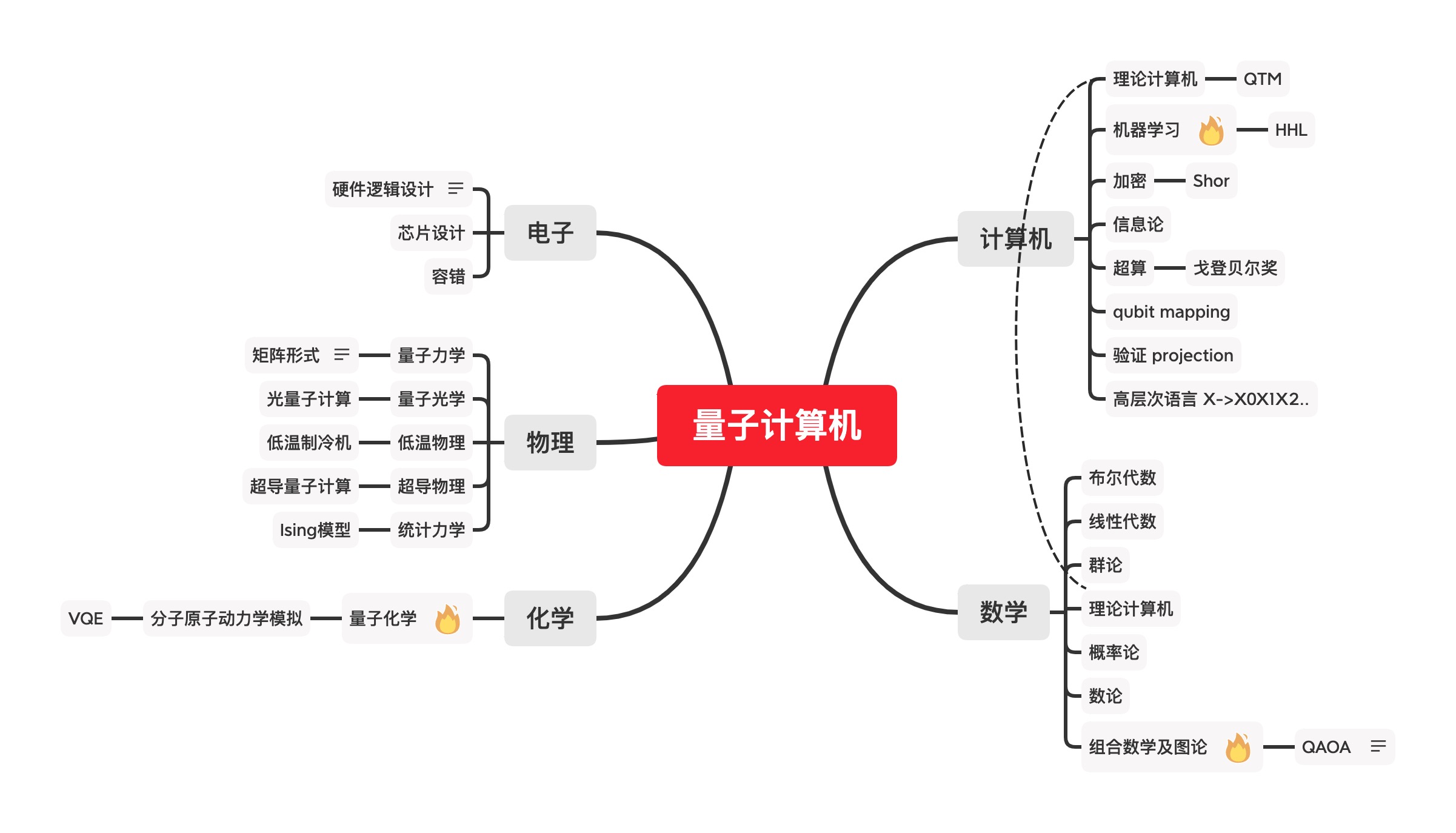
quantum_resources
imiu
/ Performance of Flask, Tornado, GEvent, and their combinations.md
Created
March 21, 2018 01:16
— forked from andreif/Performance of Flask, Tornado, GEvent, and their combinations.md
Wensheng Wang, 10/1/11
Source: http://blog.wensheng.org/2011/10/performance-of-flask-tornado-gevent-and.html
When choosing a web framework, I pretty much have eyes set on Tornado. But I heard good things about Flask and Gevent. So I tested the performance of each and combinations of the three. I chose something just a little more advanced than a "Hello World" program to write - one that use templates. Here are the codes:
imiu
/ Handwritten digit recognition
Created
February 6, 2018 21:21
— forked from getprak/Handwritten digit recognition
This file contains hidden or bidirectional Unicode text that may be interpreted or compiled differently than what appears below. To review, open the file in an editor that reveals hidden Unicode characters.
Learn more about bidirectional Unicode characters
| #loading necessary libraries | |
| library(readr) | |
| library(dplyr) | |
| library(ggplot2) | |
| library(caret) | |
| library(kernlab) | |
| library(gridExtra) | |
Loading
Sorry, something went wrong. Reload?
Sorry, we cannot display this file.
Sorry, this file is invalid so it cannot be displayed.
imiu
/ naivebayes.r
Created
February 5, 2018 23:41
— forked from dansondergaard/naivebayes.r
R implementation of the Naive Bayes classifier example from [Wikipedia](http://en.wikipedia.org/wiki/Naive_Bayes_classifier#Examples).
This file contains hidden or bidirectional Unicode text that may be interpreted or compiled differently than what appears below. To review, open the file in an editor that reveals hidden Unicode characters.
Learn more about bidirectional Unicode characters
| # naivebayes.txt | |
| # | |
| # sex height weight footsize | |
| # male 6 180 12 | |
| # male 5.92 190 11 | |
| # male 5.58 170 12 | |
| # male 5.92 165 10 | |
| # female 5 100 6 | |
| # female 5.5 150 8 | |
| # female 5.42 130 7 |
imiu
/ load_MNIST.R
Created
February 5, 2018 18:34
— forked from daviddalpiaz/load_MNIST.R
Load the MNIST handwritten digits dataset into R as a tidy data frame
This file contains hidden or bidirectional Unicode text that may be interpreted or compiled differently than what appears below. To review, open the file in an editor that reveals hidden Unicode characters.
Learn more about bidirectional Unicode characters
| # modification of https://gist.github.com/brendano/39760 | |
| # automatically obtains data from the web | |
| # creates two data frames, test and train | |
| # labels are stored in the y variables of each data frame | |
| # can easily train many models using formula `y ~ .` syntax | |
| # download data from http://yann.lecun.com/exdb/mnist/ | |
| download.file("http://yann.lecun.com/exdb/mnist/train-images-idx3-ubyte.gz", | |
| "train-images-idx3-ubyte.gz") | |
| download.file("http://yann.lecun.com/exdb/mnist/train-labels-idx1-ubyte.gz", |
imiu
/ getdocstrings.py
Created
May 24, 2016 22:11
— forked from SpotlightKid/getdocstrings.py
Parse Python source code and get or print docstrings.
This file contains hidden or bidirectional Unicode text that may be interpreted or compiled differently than what appears below. To review, open the file in an editor that reveals hidden Unicode characters.
Learn more about bidirectional Unicode characters
| # -*- coding: utf-8 -*- | |
| """Parse Python source code and get or print docstrings.""" | |
| __all__ = ('get_docstrings', 'print_docstrings') | |
| import ast | |
| from itertools import groupby | |
| from os.path import basename, splitext |
imiu
/ introrx.md
Last active
August 29, 2015 14:17
— forked from staltz/introrx.md
(by @andrestaltz)
So you're curious in learning this new thing called Reactive Programming, particularly its variant comprising of Rx, Bacon.js, RAC, and others.
Learning it is hard, even harder by the lack of good material. When I started, I tried looking for tutorials. I found only a handful of practical guides, but they just scratched the surface and never tackled the challenge of building the whole architecture around it. Library documentations often don't help when you're trying to understand some function. I mean, honestly, look at this:
Rx.Observable.prototype.flatMapLatest(selector, [thisArg])
Projects each element of an observable sequence into a new sequence of observable sequences by incorporating the element's index and then transforms an observable sequence of observable sequences into an observable sequence producing values only from the most recent observable sequence.