
Joosung Yoon eagle705

ksseono
/ naver-deview-2017.md
Last active
February 13, 2021 13:18

peterroelants
/ mnist_estimator.py
Last active
February 14, 2024 11:26
Example using TensorFlow Estimator, Experiment & Dataset on MNIST data.
This file contains hidden or bidirectional Unicode text that may be interpreted or compiled differently than what appears below. To review, open the file in an editor that reveals hidden Unicode characters.
Learn more about bidirectional Unicode characters
| """Script to illustrate usage of tf.estimator.Estimator in TF v1.3""" | |
| import tensorflow as tf | |
| from tensorflow.examples.tutorials.mnist import input_data as mnist_data | |
| from tensorflow.contrib import slim | |
| from tensorflow.contrib.learn import ModeKeys | |
| from tensorflow.contrib.learn import learn_runner | |
| # Show debugging output |

johnloy
/ markdown-for-slide-decks.md
Last active
March 14, 2026 12:22
List of markdown presentation tools

ilblackdragon
/ seq2seq.py
Last active
May 22, 2022 21:42
Example of Seq2Seq with Attention using all the latest APIs
This file contains hidden or bidirectional Unicode text that may be interpreted or compiled differently than what appears below. To review, open the file in an editor that reveals hidden Unicode characters.
Learn more about bidirectional Unicode characters
| import logging | |
| import numpy as np | |
| import tensorflow as tf | |
| from tensorflow.contrib import layers | |
| GO_TOKEN = 0 | |
| END_TOKEN = 1 | |
| UNK_TOKEN = 2 |


bartolsthoorn
/ multilabel_example.py
Created
April 29, 2017 12:13
Simple multi-laber classification example with Pytorch and MultiLabelSoftMarginLoss (https://en.wikipedia.org/wiki/Multi-label_classification)
This file contains hidden or bidirectional Unicode text that may be interpreted or compiled differently than what appears below. To review, open the file in an editor that reveals hidden Unicode characters.
Learn more about bidirectional Unicode characters
| import torch | |
| import torch.nn as nn | |
| import numpy as np | |
| import torch.optim as optim | |
| from torch.autograd import Variable | |
| # (1, 0) => target labels 0+2 | |
| # (0, 1) => target labels 1 | |
| # (1, 1) => target labels 3 | |
| train = [] |

batzner
/ tensorflow_rename_variables.py
Last active
May 25, 2023 06:15
Small python script to rename variables in a TensorFlow checkpoint
This file contains hidden or bidirectional Unicode text that may be interpreted or compiled differently than what appears below. To review, open the file in an editor that reveals hidden Unicode characters.
Learn more about bidirectional Unicode characters
| import sys, getopt | |
| import tensorflow as tf | |
| usage_str = 'python tensorflow_rename_variables.py --checkpoint_dir=path/to/dir/ ' \ | |
| '--replace_from=substr --replace_to=substr --add_prefix=abc --dry_run' | |
| def rename(checkpoint_dir, replace_from, replace_to, add_prefix, dry_run): | |
| checkpoint = tf.train.get_checkpoint_state(checkpoint_dir) |

최근 인공지능을 활용한 챗봇에 대한 관심이 높아지고 있습니다. 챗봇 설계에 관한 좋은 글이 있어 번역을 해보았습니다. 이 글은 IBM DeveloperWorks에 기재된 Michael Yuan의 글을 번역한 것으로 의역이 있습니다. - 김정주(haje01@gmail.com)
사용자는 챗봇이 매우 간단하고 최소한의 요구만 하기에 좋아합니다. 그것은 대화식 문자 메시지처럼 간단해질 수 있습니다. 또한, 사용자는 자신이 선호하는 메시지 앱에 계속 머물기를 선호합니다. 앱, 웹 URL, 메뉴, 버튼, 광고, 크롬 및 기타 요소를 탐색하지 않고 바로 목표를 달성하고자 합니다. 그러나 이 단순성은 큰 설계 과제도 제시합니다. 챗봇은 사용자의 말을 정확하게 이해하고 적절히 행동해야 합니다. 이것은 오늘날 최고의 자연어 AI (인공 지능)에게도 매우 어려운 과제입니다.
현재 상태의 AI에서는, 대화식 문자 메시지 또는 대화식(Conversational) UI, 즉 CUI는 (안타깝게도) 거의 항상 잘 설계된 그래픽 UI(GUI)보다 열등합니다. GUI와 비교하여 CUI는 초기 단계에 있습니다. 커뮤니티로서 우리는 여전히 CUI의 디자인 패턴과 우수 사례를 모색하고 있습니다. 이 튜토리얼에서는 챗봇이 왜 실패하고 성공할 수 있는지 설명합니다.

kevin-smets
/ iterm2-solarized.md
Last active
March 12, 2026 12:41
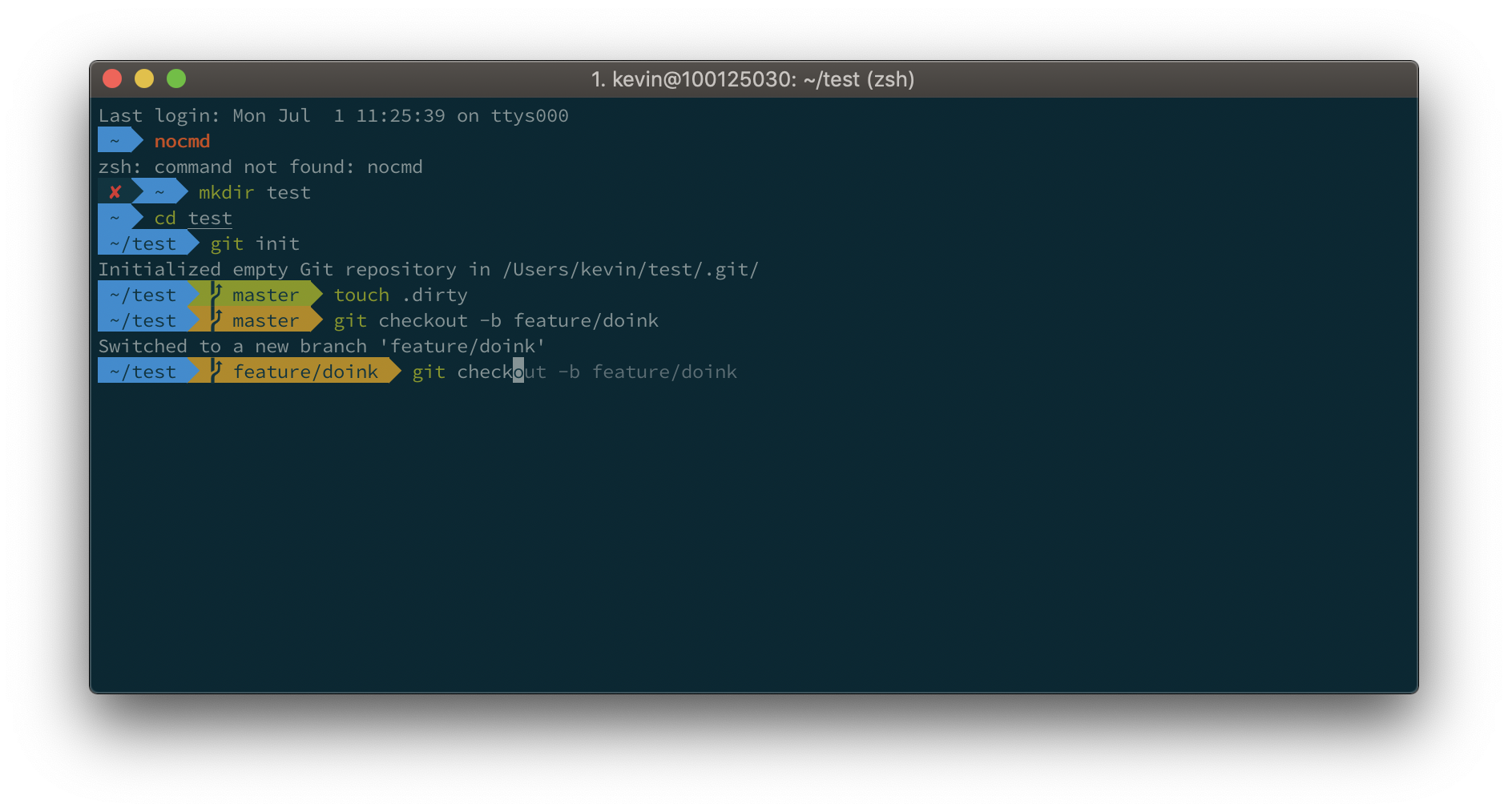
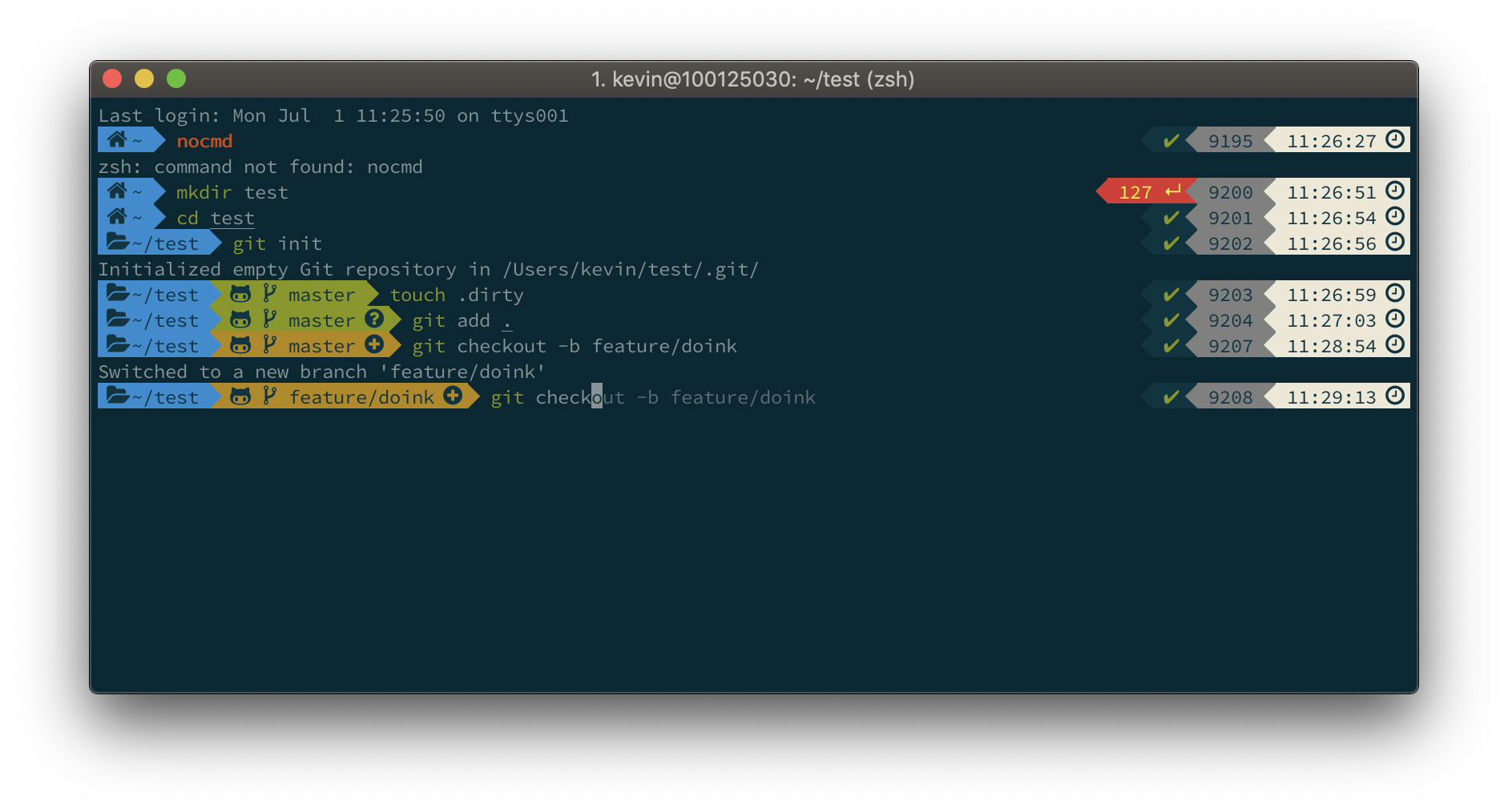
iTerm2 + Oh My Zsh + Solarized color scheme + Source Code Pro Powerline + Font Awesome + [Powerlevel10k] - (macOS)

nacyot
/ docker_cheat.md
Last active
March 3, 2025 12:14
— forked from wsargent/docker_cheat.md
도커(Docker) 치트 시트
- 한국어 번역(초벌): nacyot
- 같이 읽으면 좋은 문서들
NewerOlder