

Disclaimer: ChatGPT generated document.
Here is a comprehensive, structured list of the most famous (globally recognized) universities for Computer Science, based on consistent appearances across major rankings like QS, Times Higher Education (THE), and Research.com.
I’ve grouped them by tier and region, and included clear descriptions of what each is famous for in CS — not just rankings.
These universities dominate AI, systems, theory, and industry impact, and consistently rank in the top 10 worldwide.
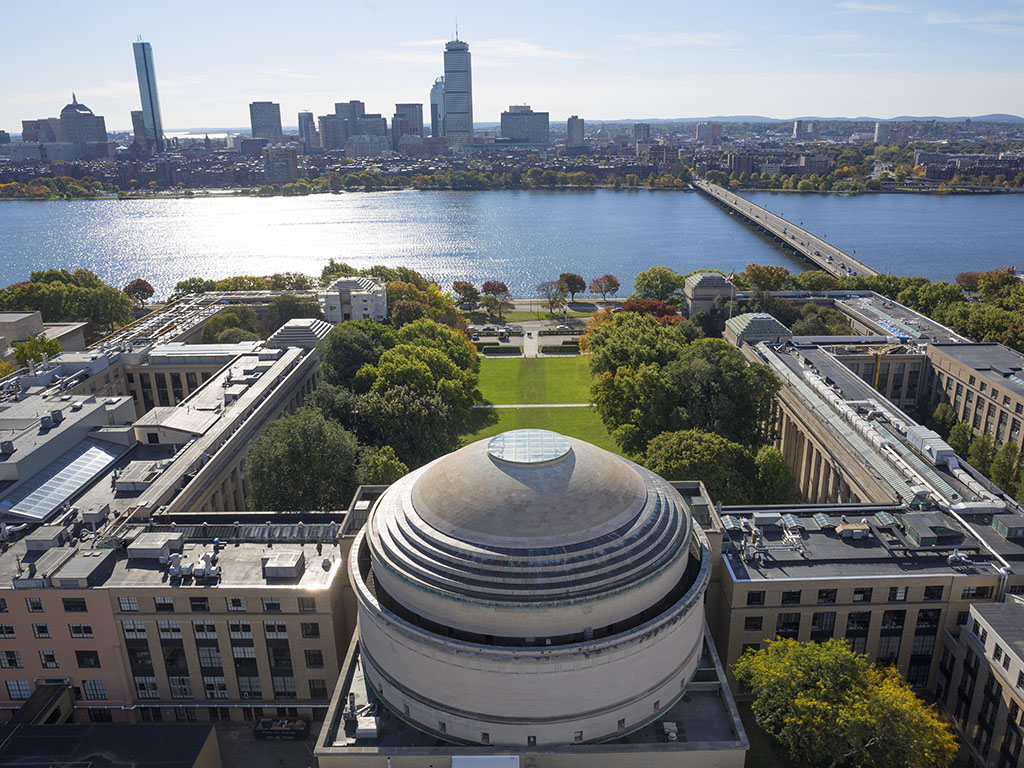



- Why it’s famous: Widely ranked #1 globally for CS (Top Universities)
- Strengths: AI, robotics, algorithms, systems
- Notable: Home to CSAIL, one of the world’s largest AI labs
- Industry impact: Deep ties with Google, OpenAI, startups




- Why it’s famous: Core driver of Silicon Valley innovation
- Strengths: AI, machine learning, distributed systems
- Notable: Alumni founded Google, Netflix, WhatsApp
- Edge: Best for entrepreneurship + CS

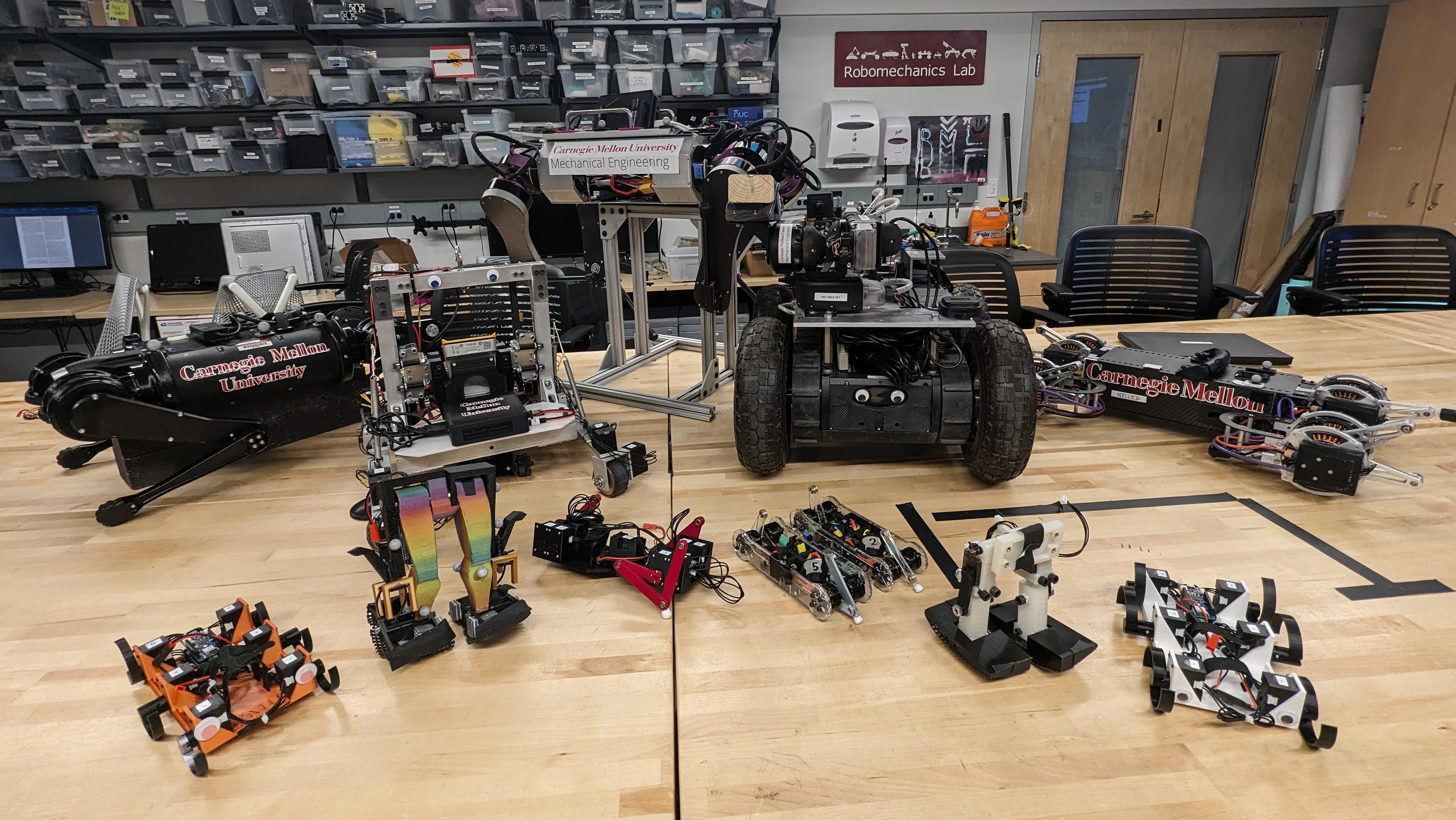


- Why it’s famous: One of the most specialized CS schools
- Strengths: Robotics, cybersecurity, software engineering
- Notable: CMU School of Computer Science = world-leading
- Reputation: Often ranked top 3 globally (Top Universities)

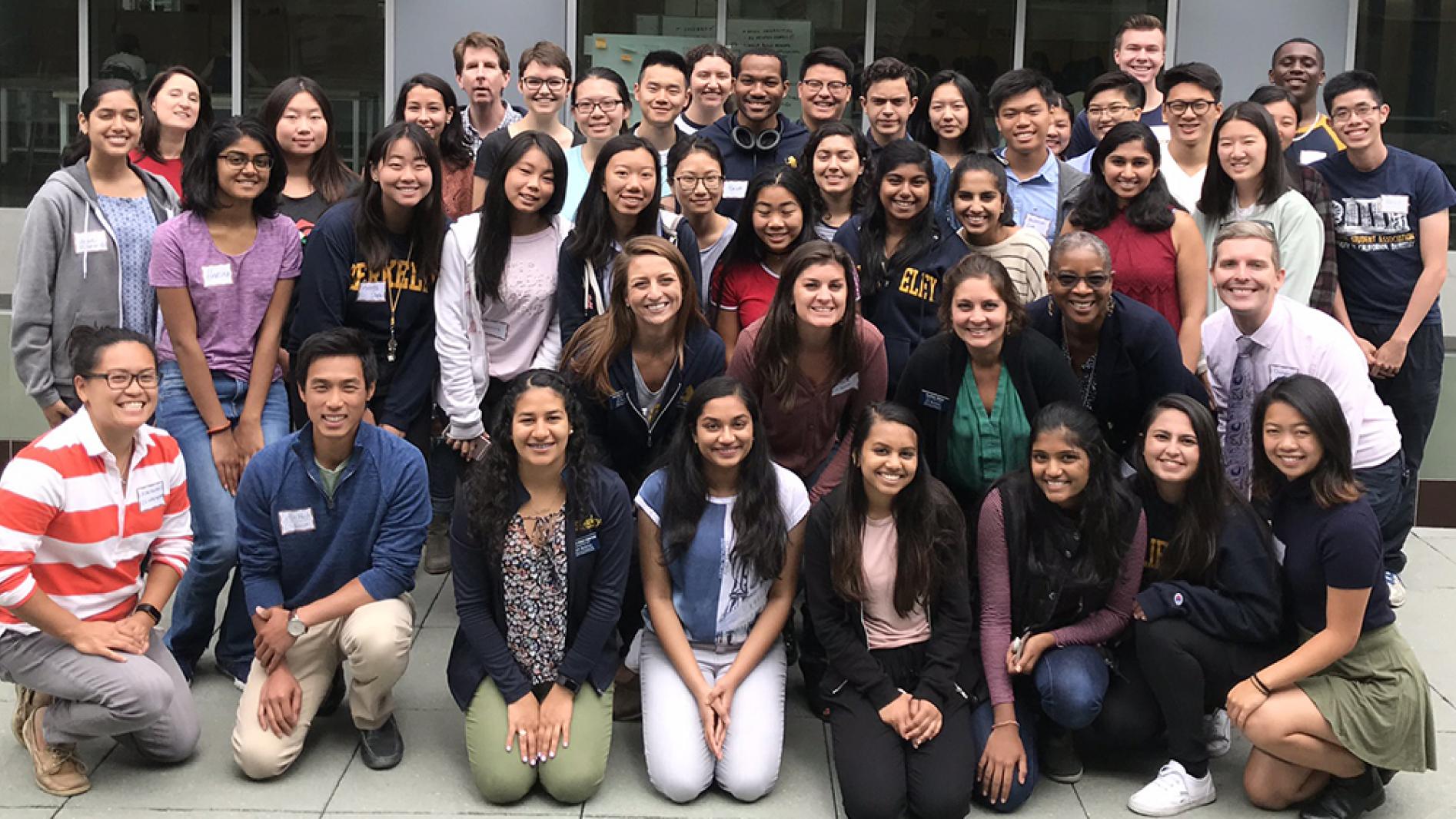

- Why it’s famous: Open-source + systems innovation
- Strengths: Operating systems, ML, distributed systems
- Notable: BSD Unix, RISC architecture origins


- Why it’s famous: Strong interdisciplinary CS
- Strengths: AI + biology, data science, theory
- Edge: Combines CS with medicine, economics
- Why famous: Small, elite, highly theoretical
- Strengths: Algorithms, computational science
- Edge: Extremely high research intensity per student




- Why it’s famous: Ranked #1 in THE CS ranking 2026 (Times Higher Education (THE))
- Strengths: Theory, AI, formal methods
- Notable: Strong work in AI ethics & verification



- Why it’s famous: Historic birthplace of computing
- Strengths: Algorithms, systems, hardware
- Notable: Home of ARM architecture roots
- Why famous: Engineering-heavy CS focus
- Strengths: AI, data science, computing systems
- Edge: Strong industry connections in Europe




- Why it’s famous: Europe’s top CS/engineering university
- Strengths: Robotics, computer vision, distributed systems
- Notable: Top 5 globally in many rankings (Times Higher Education (THE))
- Fun fact: Albert Einstein studied here (Wikipedia)
These universities are elite and often tied to specific strengths.
- Strengths: Data science, AI, information systems
- Why famous: Asia’s top CS hub
- Edge: Strong industry ties in Asia-Pacific
- Strengths: AI, robotics, smart systems
- Reputation: Rapidly rising globally
- Strengths: AI, large-scale systems
- Why famous: Massive research output
- Strengths: Theory, AI, interdisciplinary CS
- Notable: Entered top 10 in some rankings (Times Higher Education (THE))
- Strengths: Deep learning (Geoffrey Hinton)
- Why famous: Birthplace of modern deep learning breakthroughs
- Strengths: Theory, cryptography
- Edge: Strong mathematical CS foundation
- Strengths: Distributed systems, networks
- Notable: Big influence in cloud computing
- Strengths: Systems, compilers, parallel computing
- Notable: LLVM, NCSA contributions
- Strengths: AI, NLP, cloud computing
- Notable: Close ties to Microsoft & Amazon
- Strengths: Software engineering, AI
- Why famous: Germany’s top technical university
- Strengths: Robotics, distributed systems
- Why famous: Swiss tech powerhouse (like ETH’s sibling)
- Most top CS universities are in the US
- Reason: industry + research funding + startup ecosystem
- Oxford, Cambridge, ETH dominate European CS
- NUS, Tsinghua, NTU are becoming global leaders
Different universities dominate different subfields:
- AI/ML: MIT, Stanford, CMU, Toronto
- Systems: Berkeley, UIUC, Stanford
- Theory: Princeton, Oxford, Cambridge
- Robotics: CMU, ETH Zurich
If you want the canonical list everyone agrees on, it’s roughly:
- MIT
- Stanford
- Carnegie Mellon
- UC Berkeley
- Oxford
- Cambridge
- ETH Zurich
- Harvard
- Princeton
- National University of Singapore
These appear consistently across all rankings (Top Universities)