Skip to content

Instantly share code, notes, and snippets.

@sindresorhus
sindresorhus / writing-eslint-rule.md
Last active February 26, 2023 03:01
Gettings started writing a ESLint rule

Gettings started writing a ESLint rule

First, take a look at the ESLint rule documentation. Just skim it for now. It's very long and boring. You can come back to it later.

ESLint rules works on the AST (Abstract Syntax Tree) representation of the code. In short, this is a tree structure that describes the code in a very verbose form. ESLint walks this tree and rules can subscribe to be notified when it hits a specific node type, like a Literal type, which could be the "hello" part of const welcome = "hello";.

Go ahead and play around with some code in AST Explorer (Make sure the parser is espree). It's a great tool!

Here are some good articles on the subject (ignore the scaffolding parts):

@Arjeno
Arjeno / circle.yml
Created August 17, 2016 13:57
Always use the latest version of Chrome on CircleCI
# This makes sure Chrome is always up to date in your test suite
# On average this adds about 10 seconds to your build suite
# Be sure to use Ubuntu 14.04 (Trusty) in the CircleCI's OS setting (Settings > Build Environment)
dependencies:
pre:
- curl -L -o google-chrome.deb https://dl.google.com/linux/direct/google-chrome-stable_current_amd64.deb
- sudo dpkg -i google-chrome.deb
- sudo sed -i 's|HERE/chrome\"|HERE/chrome\" --disable-setuid-sandbox|g' /opt/google/chrome/google-chrome
- rm google-chrome.deb
@kevin-smets
kevin-smets / iterm2-solarized.md
Last active March 17, 2026 21:17
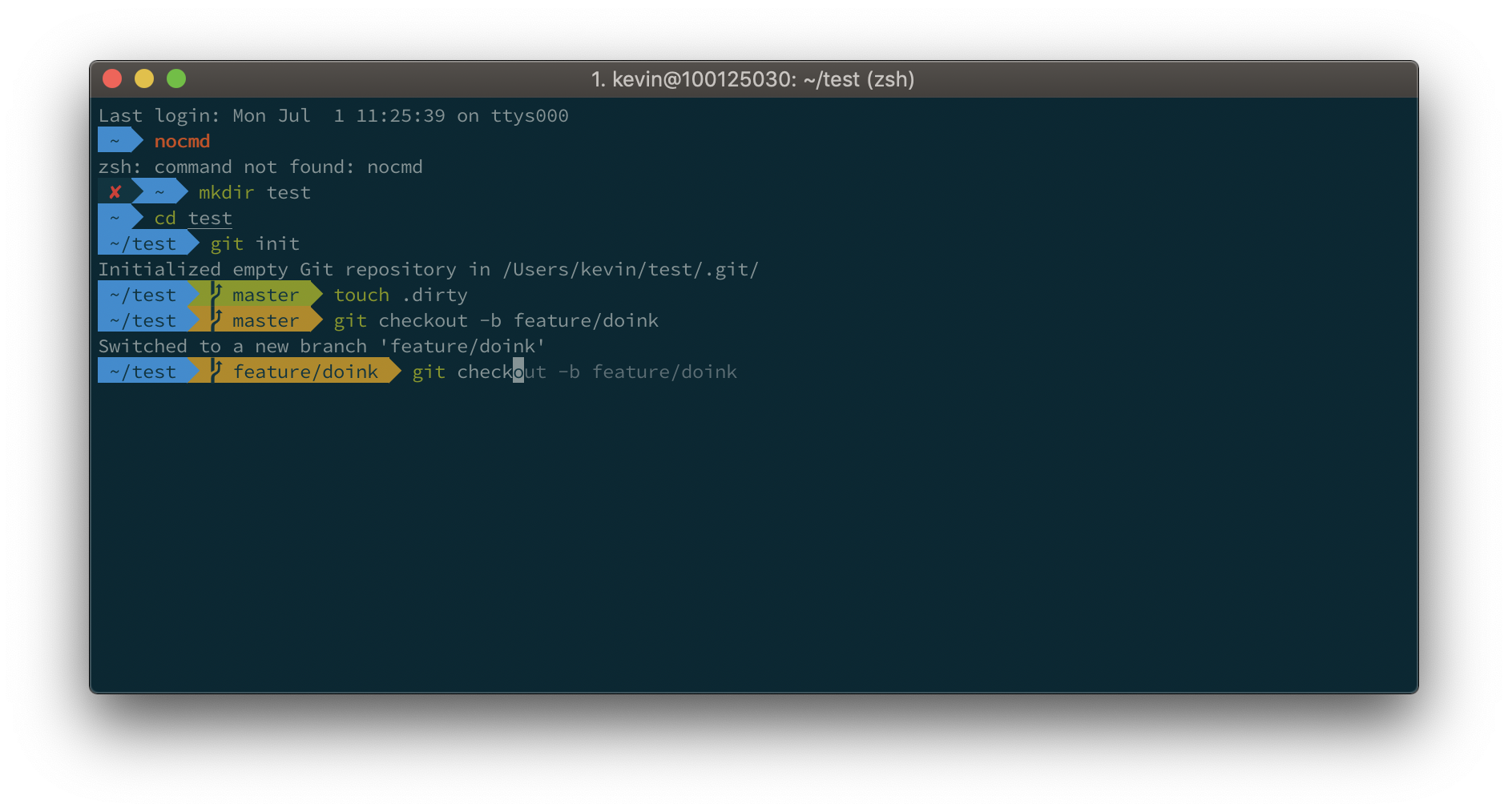
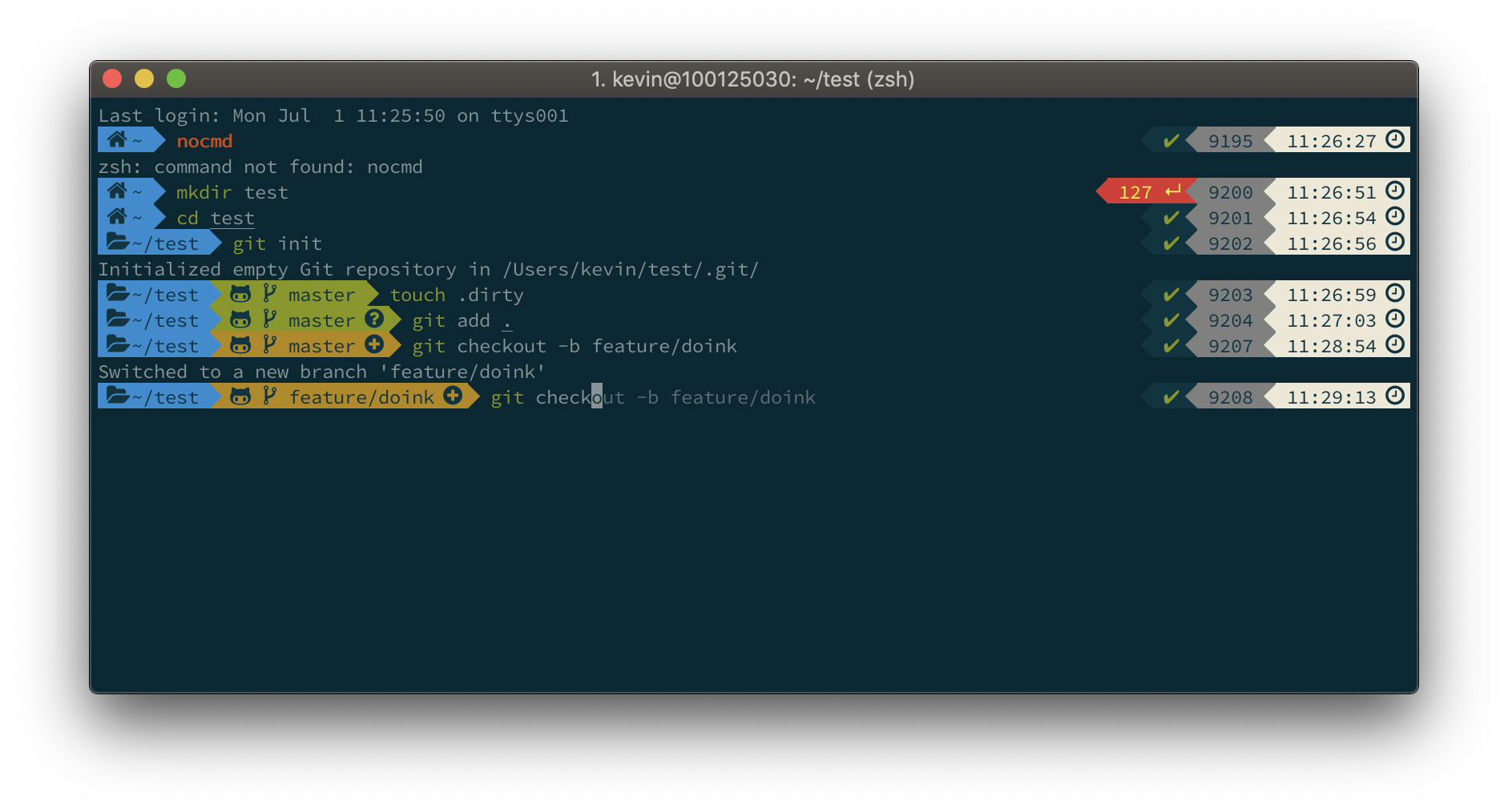
iTerm2 + Oh My Zsh + Solarized color scheme + Source Code Pro Powerline + Font Awesome + [Powerlevel10k] - (macOS)

Default

Default

Powerlevel10k

Powerlevel10k

@branneman
branneman / better-nodejs-require-paths.md
Last active February 3, 2026 09:31
Better local require() paths for Node.js

Better local require() paths for Node.js

Problem

When the directory structure of your Node.js application (not library!) has some depth, you end up with a lot of annoying relative paths in your require calls like:

const Article = require('../../../../app/models/article');

Those suck for maintenance and they're ugly.

Possible solutions

@branneman
branneman / call-apply-bind-proxy.js
Last active April 19, 2025 05:17
JavaScript call() vs apply() vs bind() vs $.proxy()
var fn = function(arg1, arg2) {
var str = '<p>aap ' + this.noot + ' ' + arg1 + ' ' + arg2 + '</p>';
document.body.innerHTML += str;
};
var context = {
'noot': 'noot'
};
var args = ['mies', 'wim'];
// Calls a function with a given 'this' value and arguments provided individually.